A reward function made of people.

Swap your reward model for real people. Humans score your rollouts live, during training.

An engraving of the 1787 Paris Salon, printed in blue: a crowd of visitors judging a wall hung floor to ceiling with paintings
train.py scores back
pairs  = policy.sample(prompts)
scores = unroll.judge(pairs,
           ask="Which is better?")
policy.update(pairs, scores)
illustration

For post-training teams whose output is a matter of taste.

01The problem

Code can’t grade taste.

RL works best where code can score the output. Taste has no test.

Human feedback takes days. A thousand GPUs cost $100,000+ a day while they wait.
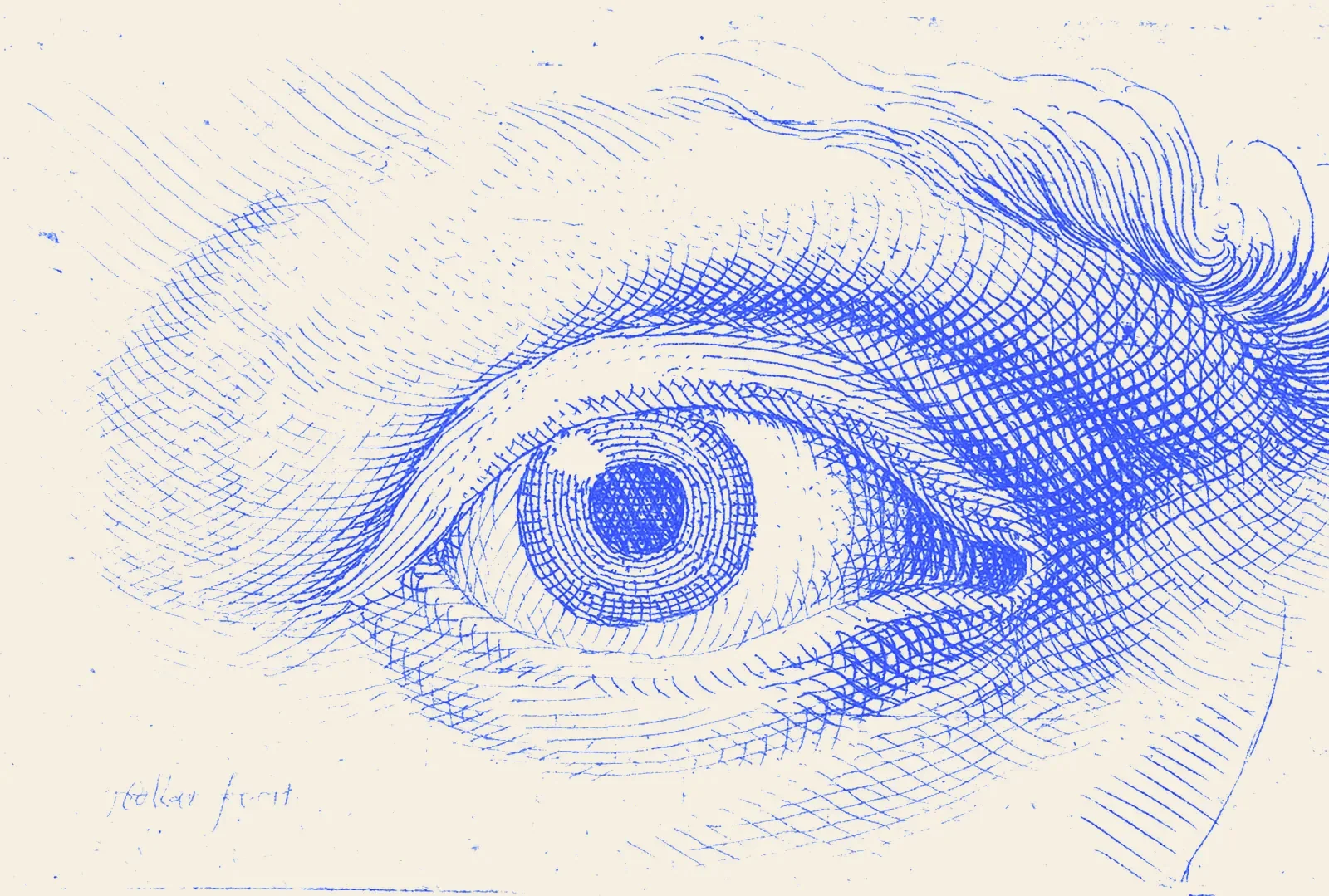
Wenceslaus Hollar’s etching of a human eye, printed in blue
tests/test_math.pypassed
assert solve(problem) == 42
tests/test_taste.pyno test can say
assert looks_right(page)  # ?
Who scores a rollout today, and how
ScorerJudges tasteArrives
Unit testsnoinstantly
Offline ratingsyeslate, on stale samples
A reward modela guessinstantly; the policy learns to fool it
Unrollyes, peoplemid-step, live

02How it works

One call inside your step.

Each tap takes about a second, so the scores are back before the step ends.

Diagram of how Unroll works: your training run sends rollouts to the Unroll API, people judge them in an app’s ad slot, and their scores come back to update the model in the same stepYour run sends pairsand a questionUnroll APIPeople choosein place of an adrolloutsScores returnmid-step Diagram of how Unroll works: your training run sends rollouts to the Unroll API, people judge them in an app’s ad slot, and their scores come back to update the model in the same stepYour run sends pairsand a questionUnroll APIPeople choosein place of an adrolloutsScores returnmid-step Diagram of how Unroll works: your training run sends rollouts to the Unroll API, people judge them in an app’s ad slot, and their scores come back to update the model in the same stepYour run sendspairs and a questionrolloutsScores returnmid-stepUnroll APIPeople choosein place of an ad

03Live

Scores land while the step runs.

Each pair goes to several people at once. Every tap streams back as it happens.

  1. 1A player gets a choice instead of an ad.

  2. 2One tap, about a second.

  3. 3It lands in your run, mid step.

illustration

04Quality

Every round must beat the last.

Live people need live checks.

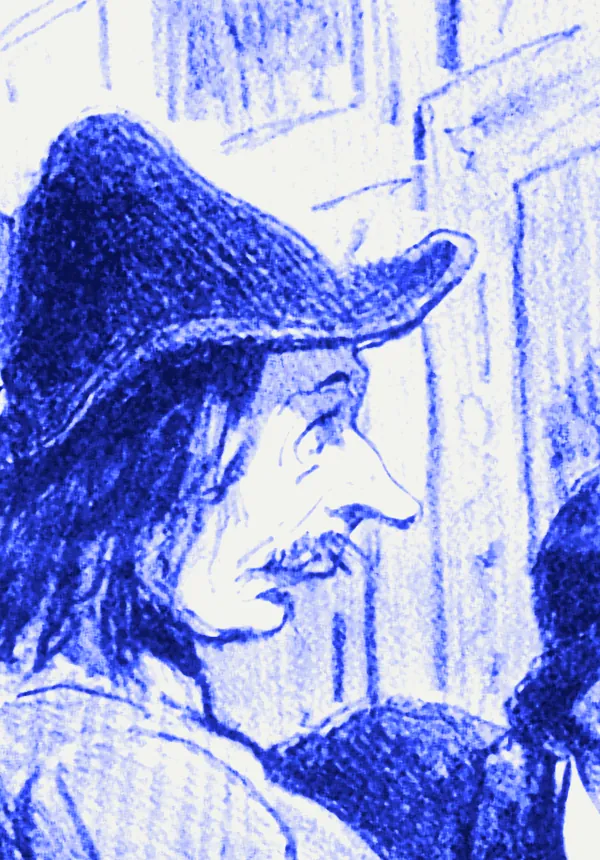
  1. Detail of Daumier’s lithograph: an artist in a tall hat squints at a rival’s canvas, printed in blue

    01Check pairs

    Known answers catch careless taps.

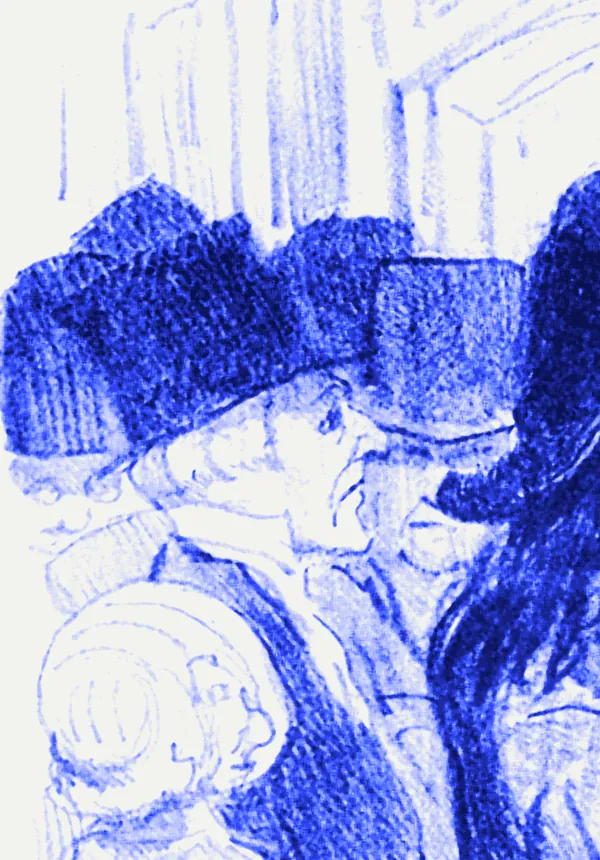
  2. Detail of the same lithograph: a queue of top hats waiting their turn at the wall, printed in blue

    02Rate limits

    No one person can flood a batch.

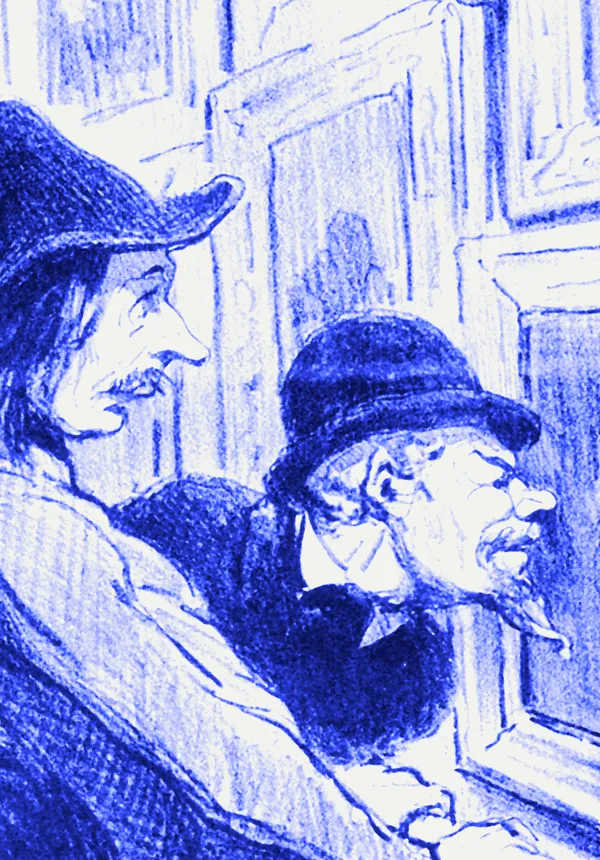
  3. Detail of the same lithograph: two artists lean in side by side to judge one canvas, printed in blue

    03Agreement

    Several people per pair; you see how far they agree.

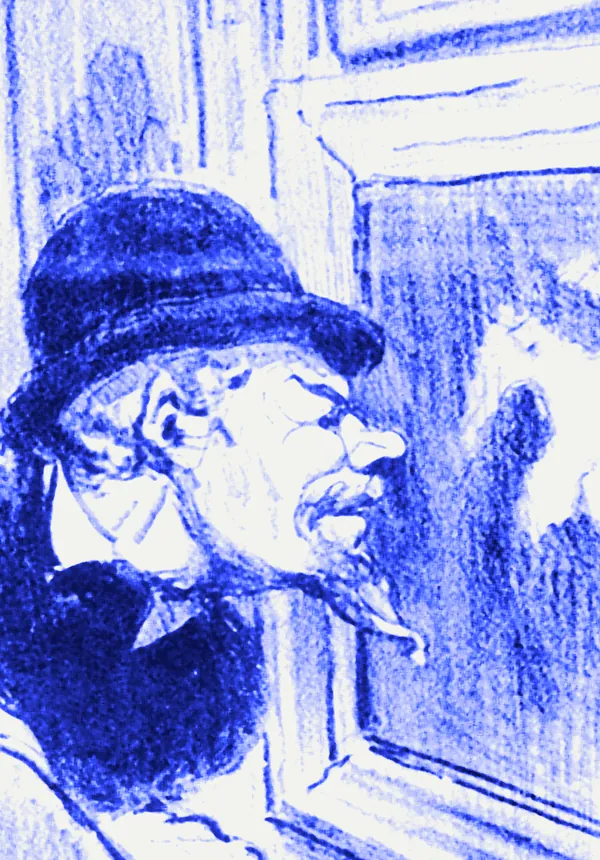
  4. Detail of the same lithograph: an artist in a bowler hat presses close to the canvas to inspect it, printed in blue

    Our test run

    → 2 of 5 thrown away

    04New prompts

    A round that loses on new prompts is thrown away.

05Use cases

Change the question, not the code.

Anything a person can judge in about a second, from layouts to voices to game levels.

Pick the better one.

  • Web and UI

    Which layout reads clearer?

  • Images and video

    Which frame looks right?

  • Voice

    Which voice sounds natural?

  • Writing tone

    Which reply sounds like us?

  • Agent behaviour

    Which agent would you trust?

  • Game levels

    Which level is more fun?

  • 3D

    Which mesh looks solid?

  • Your model

    Your question here.

Examples of questions, not customers.

06Before and after

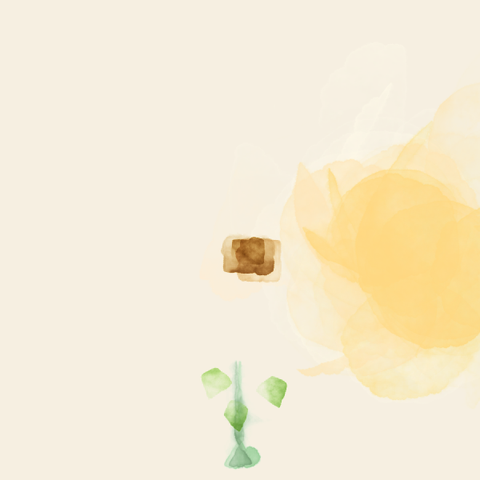
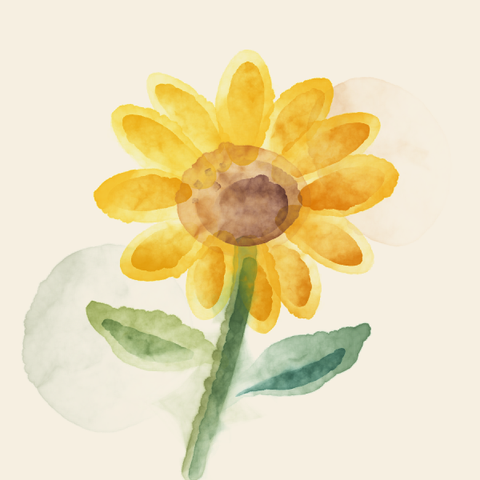
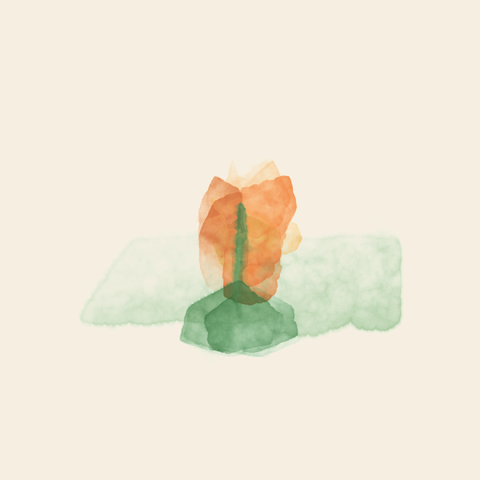
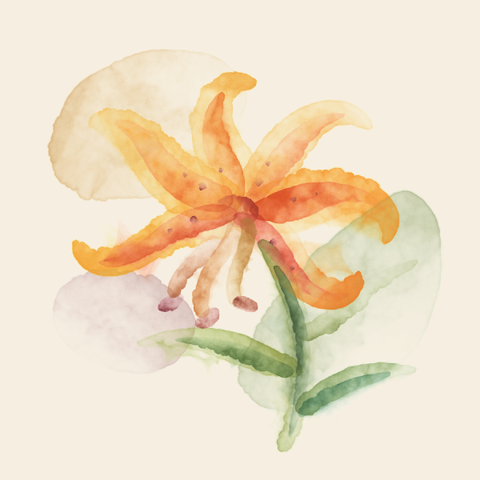
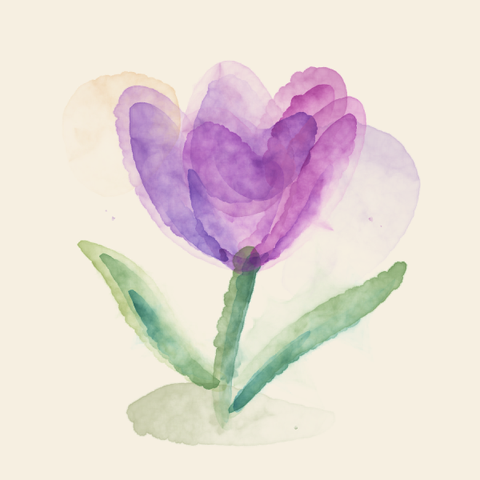
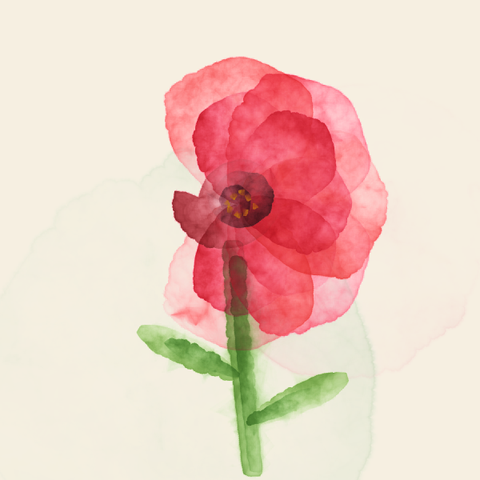
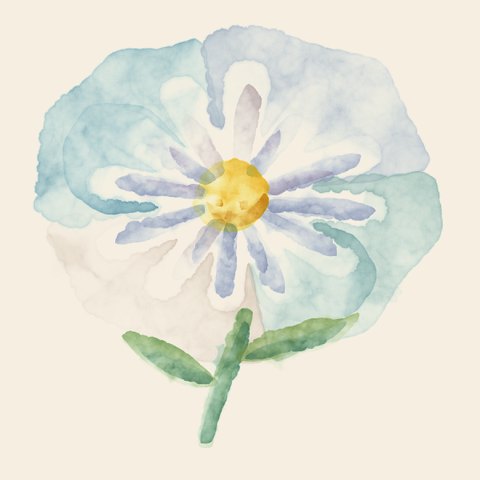
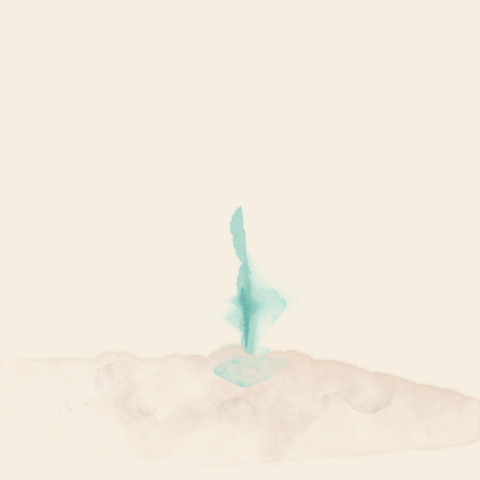
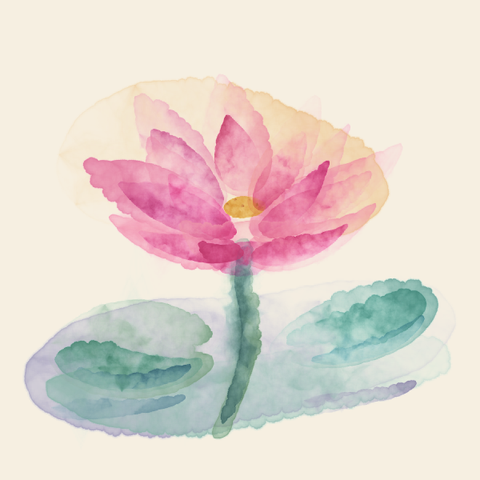
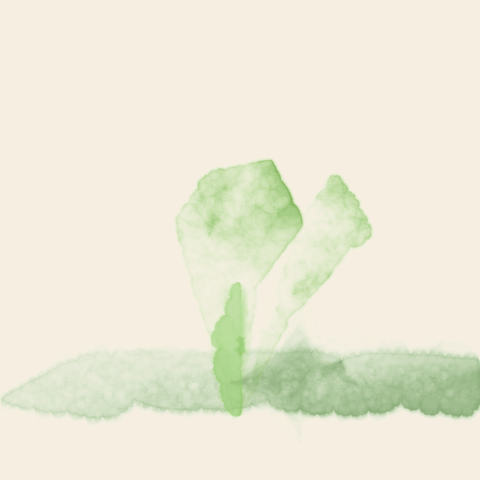
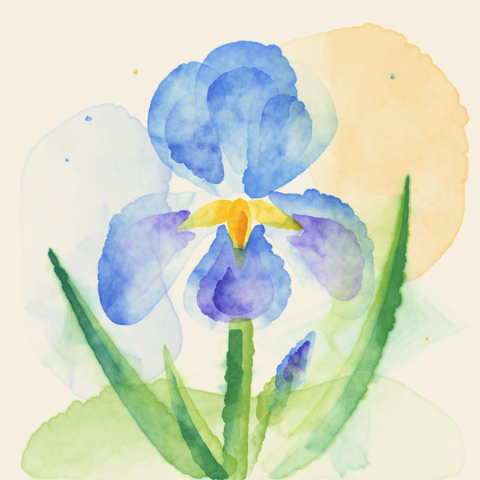
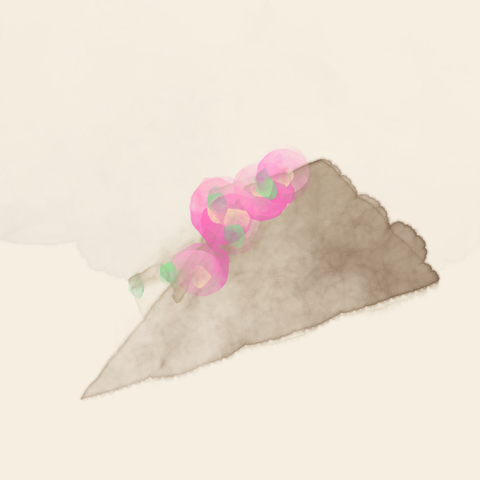
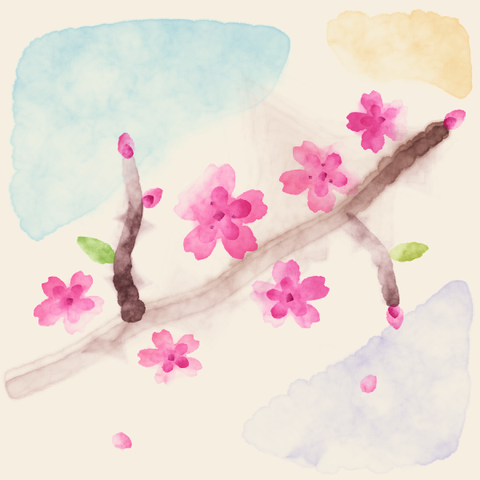
Eight flowers the model never trained on.

vision mockup

Before training

After training
Before training: the untrained model’s painting of a sunflowerAfter training, vision mockup: a watercolour of a sunflower
Before training: the untrained model’s painting of an orange tiger lilyAfter training, vision mockup: a watercolour of an orange tiger lily
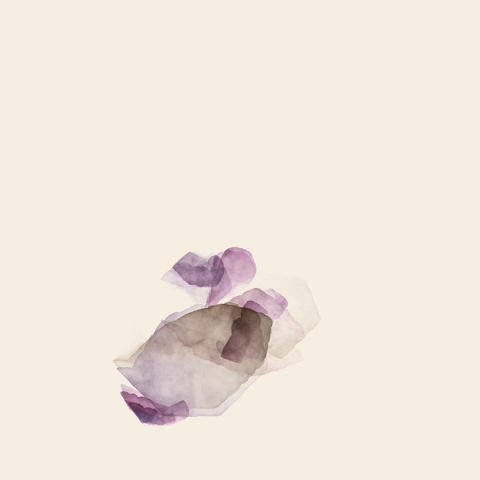
Before training: the untrained model’s painting of a purple tulipAfter training, vision mockup: a watercolour of a purple tulip
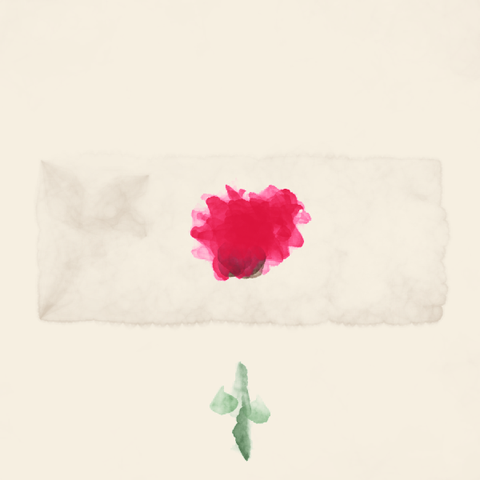
Before training: the untrained model’s painting of a scarlet poppyAfter training, vision mockup: a watercolour of a scarlet poppy
Before training: the untrained model’s painting of a white daisyAfter training, vision mockup: a watercolour of a white daisy
Before training: the untrained model’s painting of a pink lotusAfter training, vision mockup: a watercolour of a pink lotus
Before training: the untrained model’s painting of a blue irisAfter training, vision mockup: a watercolour of a blue iris
Before training: the untrained model’s painting of a branch of cherry blossomAfter training, vision mockup: a watercolour of a branch of cherry blossom

07For publishers

Skip the ad. Teach an AI.

Apps and games swap a rewarded ad for one quick choice, in the same slot.

The player
gets the same reward
The task
takes about a second
The publisher
is paid per task
Host the task

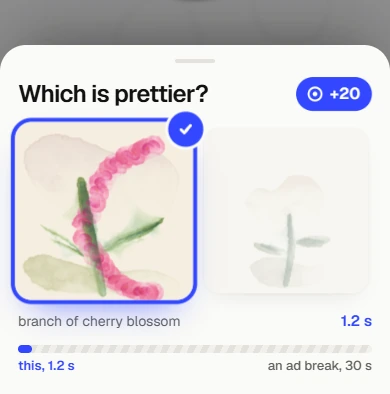
Real capture

A real capture of our working demo on a phone: a game pauses, a sheet asks which of two paintings is prettier, the left one is picked in 1.2 seconds, and the player earns 20 coins instead of watching a 30-second ad

For contributorscoming

Skilled taste, paid per task.

People with a trained eye will sign up on our app and be paid per task.

Thomas Rowlandson’s print of a packed theatre audience watching the stage, printed in blue: the ink deepens down the picture until the audience disappears into the dark of the footer
08Your turnhello@unroll.example(placeholder)

Put an audience in your next run.

Human taste isn’t an API. We’re making it one.

Coming soonThis page isn’t up yet. Until then, write to hello@unroll.example (a placeholder address).

Close